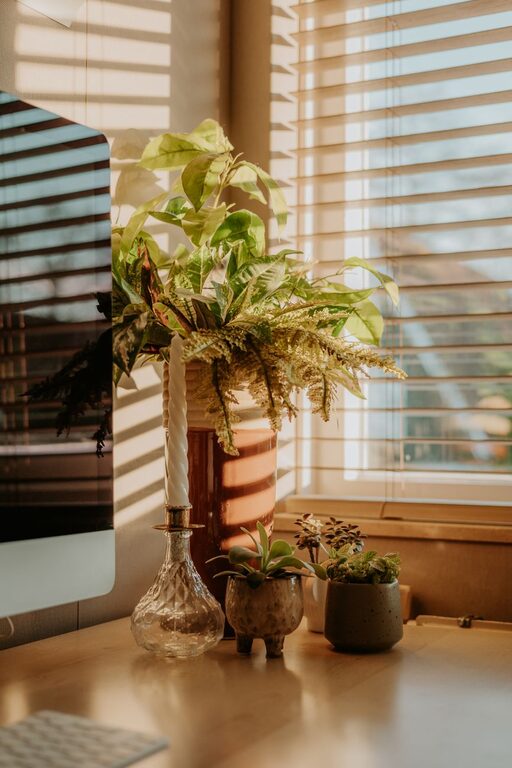
Creating a relaxing home workspace is essential for maintaining focus and reducing stress while you work. Whether you’re working remotely full-time or just occasional projects at home, the environment around you plays a big role in your productivity and well-being. In this post, we’ll explore practical tips that can help you design a workspace that feels both comfortable and calming.
Why a Relaxing Workspace Matters
Your workspace influences your mood, motivation, and ability to concentrate. A cluttered or uncomfortable environment can make you feel anxious or distracted. On the other hand, a well-organized and thoughtfully arranged area can boost creativity and help you stay on task. Making your home workspace relaxing is not just about aesthetics—it’s about creating a space where you can efficiently get your work done without unnecessary stress.
Choose the Right Location
Start by selecting a spot in your home that suits your work style:
– Natural Light: Try to set up near a window where you can benefit from natural light. It helps reduce eye strain and improves mood.
– Quiet Space: Pick a quieter corner away from household traffic to minimize distractions.
– Personal Preference: If you prefer some background noise, consider an area where you can play soft music or white noise without disturbing others.
Invest in Comfortable Furniture
Your comfort is key to a relaxing workspace. Consider these elements:
– Ergonomic Chair: A supportive chair that fits your body can prevent back pain and improve posture.
– Desk Size: Choose a desk that’s large enough to fit your computer, notebooks, and any other tools you need without overcrowding.
– Adjustable Setup: Items like adjustable monitor stands or keyboard trays help you customize your space for maximum comfort.
Declutter and Organize
A cluttered desk can make it harder to focus. Here’s how to keep things tidy:
– Limit Desk Items: Only keep items you use daily on your desk.
– Storage Solutions: Use drawers, shelves, or containers to store supplies neatly.
– Daily Clean-Up: Spend a few minutes at the end of each day clearing your workspace.
Add Elements That Promote Calmness
Incorporate items that help soothe your senses and reduce stress:
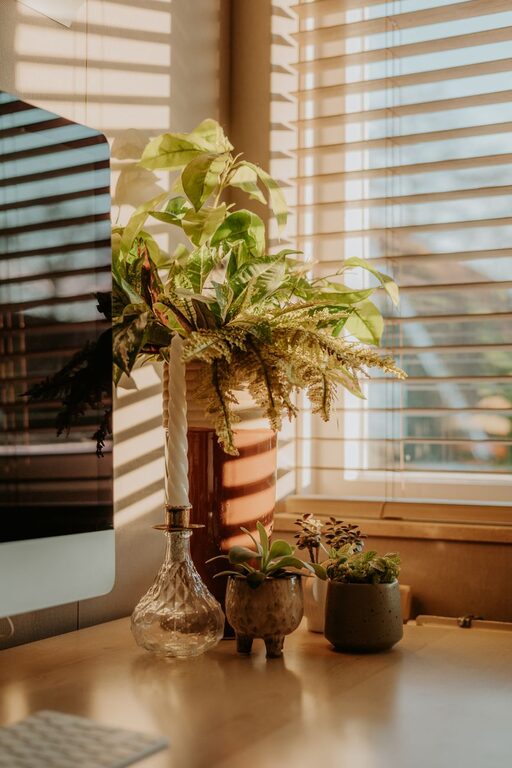
– Plants: Adding a few small plants can improve air quality and create a peaceful vibe.
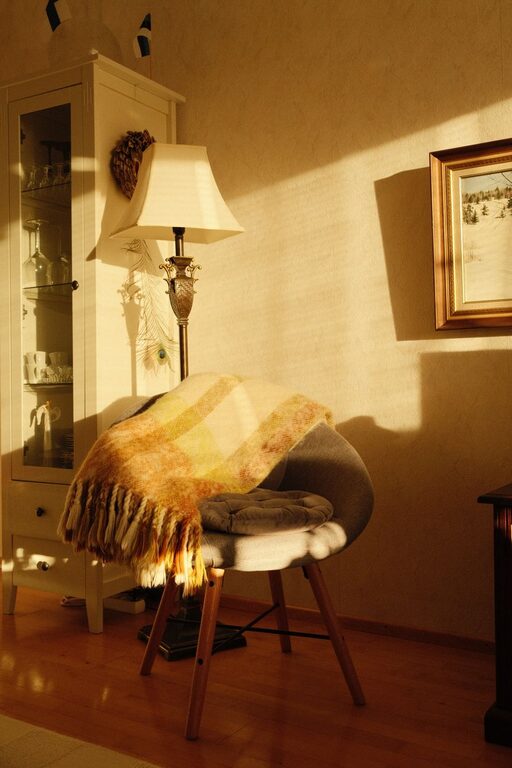
– Soft Lighting: Use desk lamps or string lights instead of harsh overhead lighting.
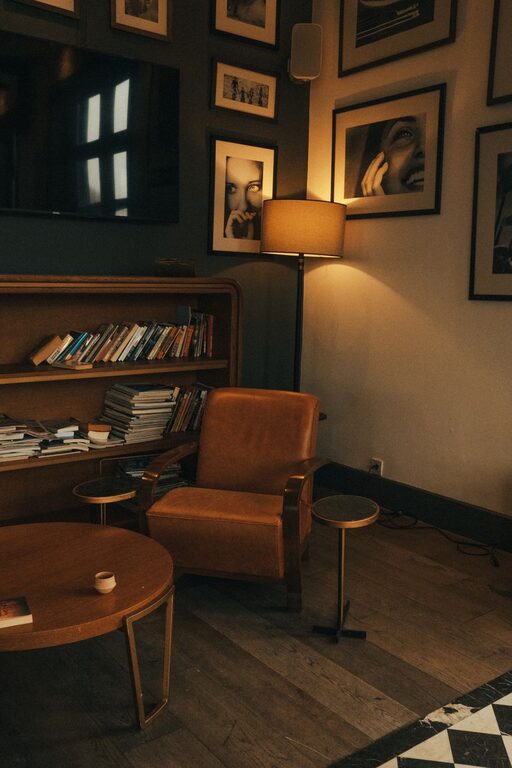
– Personal Touches: Display calming artwork or photos that make you happy and relaxed.
Manage Technology Wisely
Technology is necessary, but it can also contribute to distractions:
– Cable Management: Use clips or cord organizers to keep wires under control.
– Notification Control: Turn off non-essential notifications during focused work time.
– Tech Breaks: Set regular intervals to step away from screens and rest your eyes.
Incorporate Relaxation Techniques
Taking care of your mental well-being throughout the day is just as important as having a nice space:
– Short Breaks: Take brief pauses to stretch or breathe deeply.
– Mindfulness: Practice simple mindfulness exercises to maintain calm and focus.
– Comfort Items: Keep a water bottle or herbal tea nearby to stay hydrated and relaxed.
Keep It Flexible
Your needs might change, so design your workspace to be adaptable:
– Moveable Furniture: Use items on wheels or lightweight pieces that can be rearranged.
– Multi-Use Spaces: Consider spaces that can easily switch between work and leisure.
—
By using these tips, you can create a home workspace that supports your productivity while keeping stress at bay. A relaxing work area is achievable with a bit of attention to comfort, organization, and personal preference. The right environment can make all the difference in how enjoyable and effective your workdays are.